
The panel ‘Science for Life: Research in the Service of Health’ brought the 1st Impact Forum to a close, with the aim of understanding how innovation serves the public
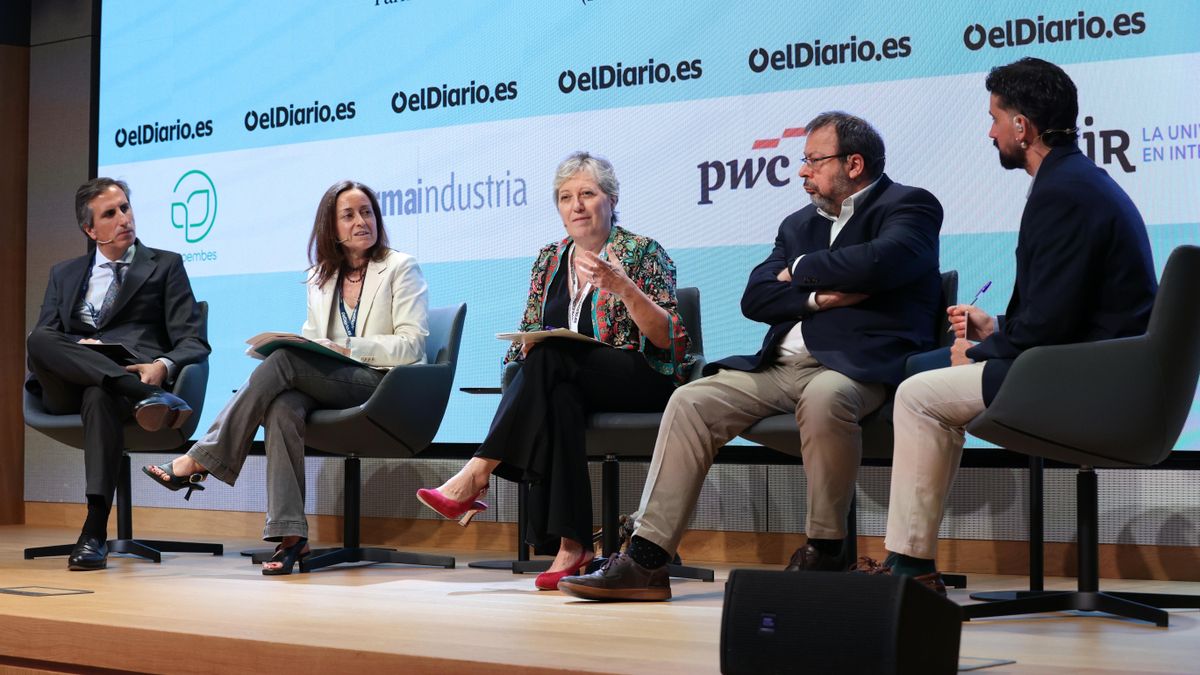 Tercera mesa del I Foro Impacto
eldiario.es
The ‘1st Impact Forum: Innovation with a Purpose’ event, organised by elDiario.es, concluded with a panel discussion that examined the present and future of the healthcare sector in Spain.
The experts taking part in the debate were César Hernández, Director-General for the Portfolio and Pharmacy at the Ministry of Health; Cristina Avendaño, President of the Federation of Spanish Scientific and Medical Associations (FACME); Amelia Martín Uranga, Director of Clinical and Transnational Research at Farmaindustria; and Alfredo Moyano Olmos, Director of Healthcare and Pharma at PWC.
https://youtu.be/Dye9VcbWlVY?si=taZDGq5znr5AzepI
Moderated by journalist David Noriega, head of the Society section at elDiario.es, the four discussed how to translate scientific knowledge into benefits for patients within a system that aims to be cutting-edge and sustainable.
The public system as a driving force
The conversation began with the current regulatory landscape, as César Hernández explained the impact of the recently approved Royal Decree on the evaluation of medicines and health technologies. For the Director General, the National Health Service is the indispensable “driving force”: “If it does not drive the kind of innovation, research, development or manufacturing we want, there is no other market out there,” he stated, emphasising that the public system must be the one to steer research towards real healthcare needs.
The path from the laboratory to the patient is not without its obstacles. Cristina Avendaño agreed that Spain produces “excellent science”, but highlighted that there is a “bottleneck” in its transfer. Avendaño was emphatic in calling for a paradigm shift in the recognition of professionals: “What we need in this country is to greatly improve the integration of research with that carried out within the national health system”, pointing out that currently the research work of specialist doctors is not sufficiently valued in their professional careers.
The conversation quickly turned to collaboration between sectors, and Amelia Martín Uranga highlighted that Spain has established itself as an international leader in clinical trials, a success she attributed to a well-oiled ecosystem between industry, regulatory agencies and hospitals. However, she warned of the high level of competition, mentioning that countries such as Germany are attempting to replicate the Spanish model. “Hospitals that conduct research provide better care. We must look after them; we must protect them,” argued Martín Uranga.
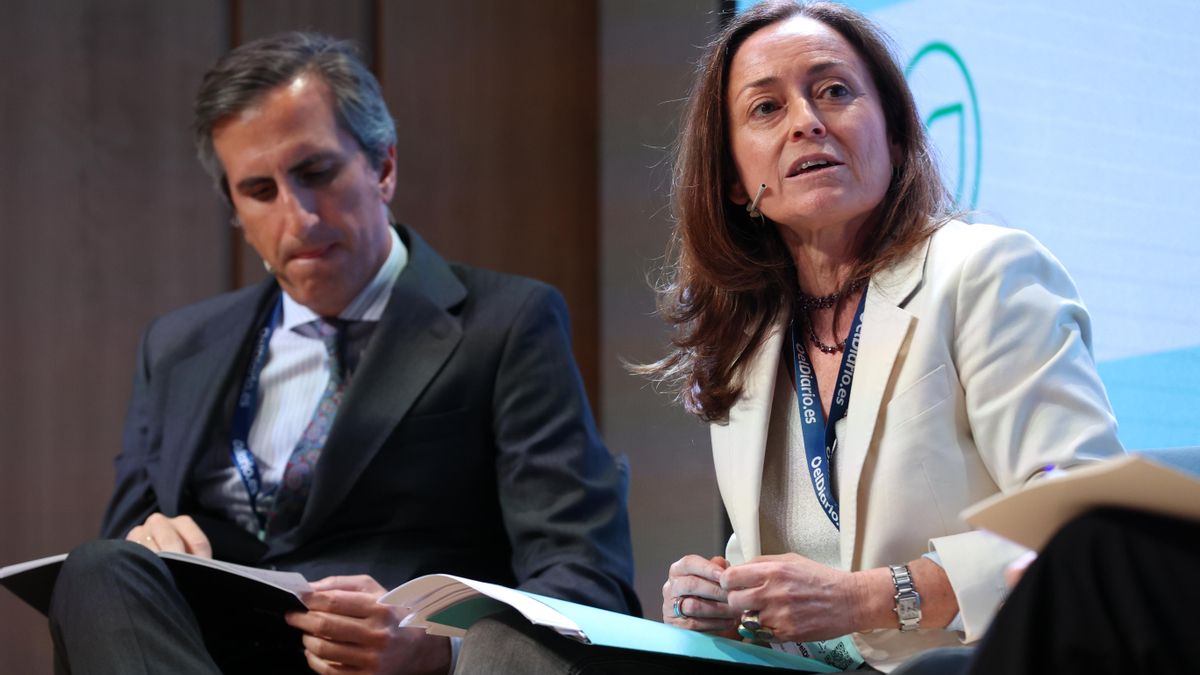 Amelia Martín Uranga,, directora de Investigación Clínica y Translacional de Farmaindustria.
eldiario.es
For his part, Alfredo Moyano offered a nuanced perspective on the demographic challenge: “I believe the problem is not ageing, but rather chronic conditions and multiple illnesses—how to live with them and how the healthcare model must adapt to this new reality.” In his speech, Moyano advocated for innovations that promote the “liquid hospital” through telemonitoring and tele-pharmacy, although he criticised the tendency to carry out isolated pilot projects “without a clear strategy for how they will subsequently be incorporated into the system”.
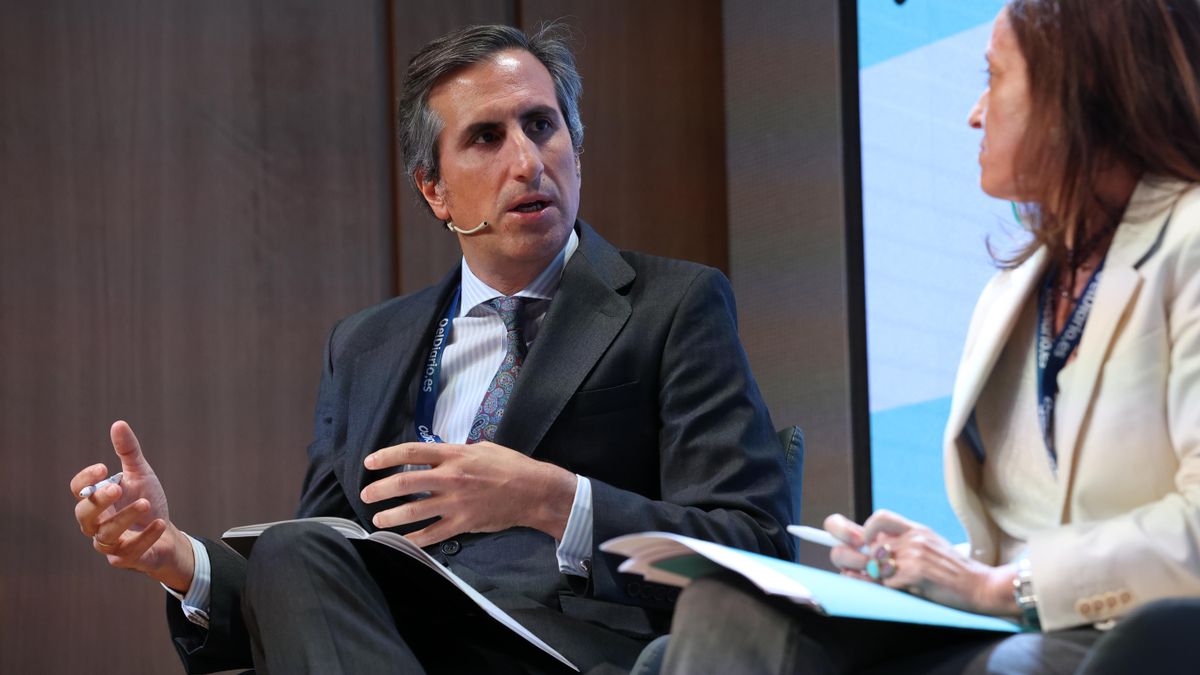 Alfredo Moyano Olmos, director de Sanidad y Pharma de PWC
eldiario.es
Integration versus fragmentation
One of the central themes of the debate was the need for a unified national strategy. The speakers agreed that research policy is still perceived as fragmented—for example, across the different areas of responsibility within ministries—at a time when a multidisciplinary approach is essential. Cristina Avendaño lamented that medical research does not always go hand in hand with data science or environmental science. Alfredo Moyano reinforced this idea by calling for a single governance structure with “clear and measurable objectives over an eight- to ten-year period”.
In response, César Hernández explained that the pharmaceutical industry’s strategy aims precisely to be that integrating core that brings together various ministries. The Director General emphasised the importance of a holistic vision to compete with powers such as China or the United States: “It is unfair to ask the Department of Health to fund manufacturing in Europe and innovation detached from value, if it is not actually recognised that all this requires an effort that is not paid for by the specific value of the medicine, but by the value of the entire chain that makes all this possible”.
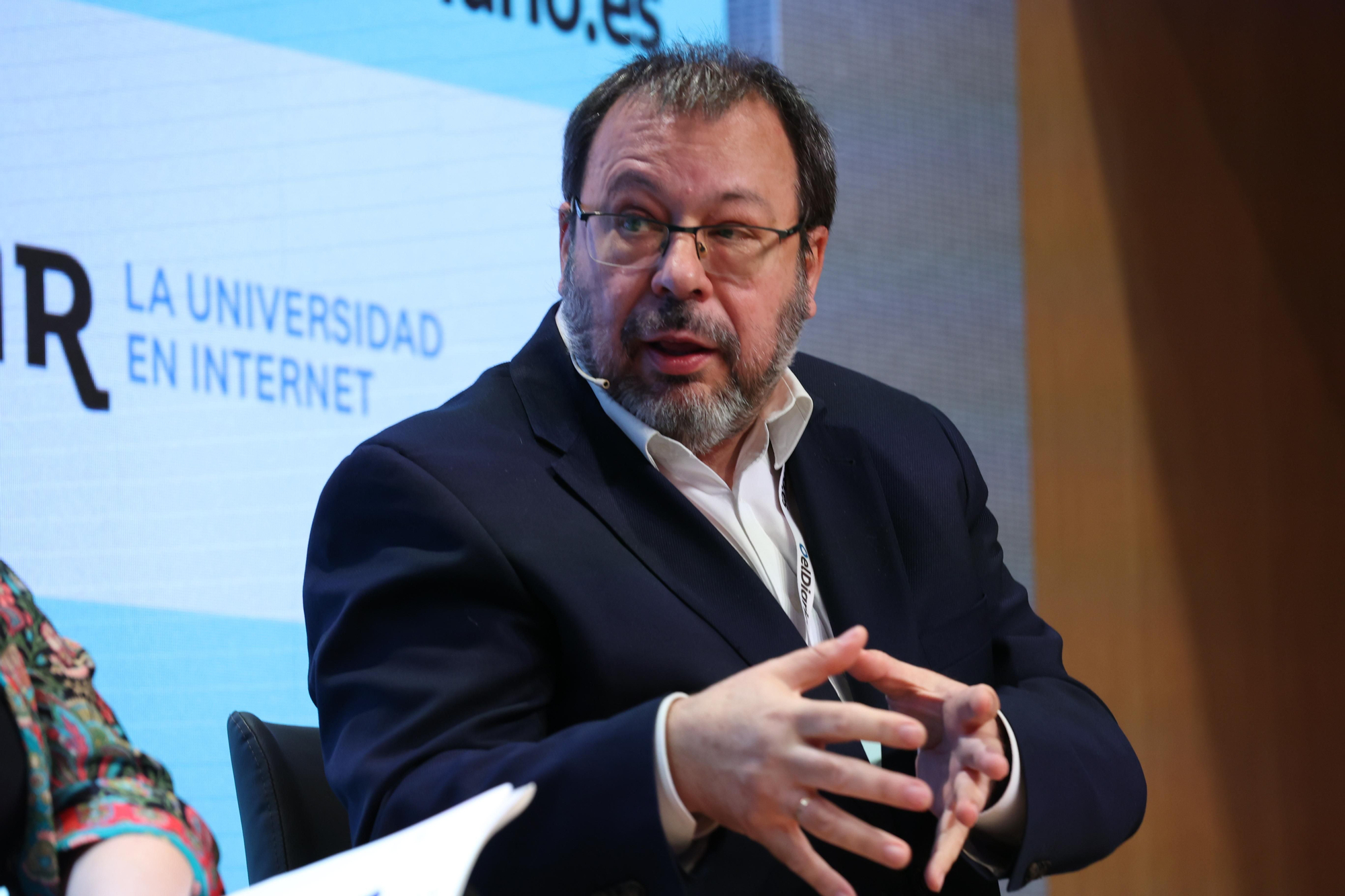 César Hernández, director general de cartera y farmacia del Ministerio de Sanidad.
eldiario.es
The panel also discussed the importance of ensuring that postcodes do not determine access to innovation. Amelia Martín Uranga highlighted efforts to decentralise clinical trials and take them beyond Madrid and Barcelona. To speed up these processes, Avendaño and Martín Uranga agreed on the urgent need to cut red tape. “What we cannot do is turn clinical trials into something tremendously complex, full of administrative procedures, bureaucracy and audits,” criticised Avendaño.
César Hernández added to this point a reflection on the “affordability” of the system, suggesting that the use of real-world data could allow for more fluid and less rigid decision-making than at present.
Technoethics and data protection
In the final section, the focus shifted to Artificial Intelligence and the use of data. Alfredo Moyano defended AI as a tool that will free doctors from administrative tasks so they can focus on adding value. Martín Uranga and Hernández agreed that the key lies in “technoethics” and in avoiding bias.
Cristina Avendaño sought to reassure the audience regarding privacy, urging that it should not become an ideological barrier: “What we need to provide are guarantees that data is used properly, and that’s it. No consent forms, please,” she urged, emphasising the importance of making it clear that the social use of data for research is a shared value.
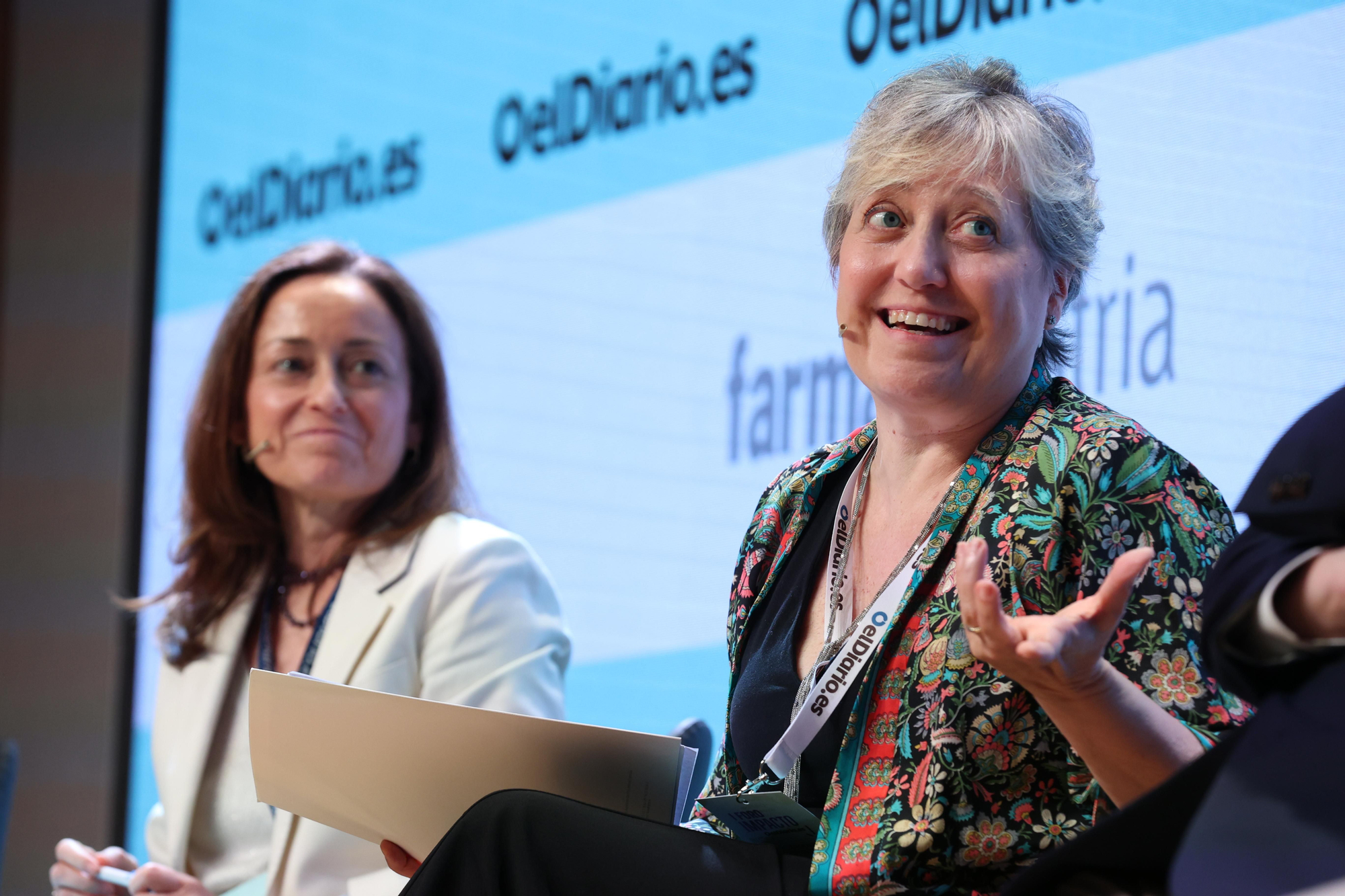 Cristina Avendaño, presidenta de la Federación de Asociaciones Científico Médicas Españolas (FACME)
eldiario.es
To conclude, the speakers summarised their key recommendations for improving the system. Alfredo Moyano called for “interoperability” between the 17 regional health subsystems. Amelia Martín Uranga called for strengthening public-private collaboration and measuring the social value of medicines. Cristina Avendaño urged action to address the “inefficient administrative management” that consumes 40% of researchers’ time. César Hernández concluded by highlighting the need to “break down silos” to ensure continuity in health policies both in Spain and across Europe.
 ES
ES
 EN
EN