
An analysis of the scientific literature reveals how geopolitical competition and R&D models are reshaping drug development and access to healthcare
consalud.es
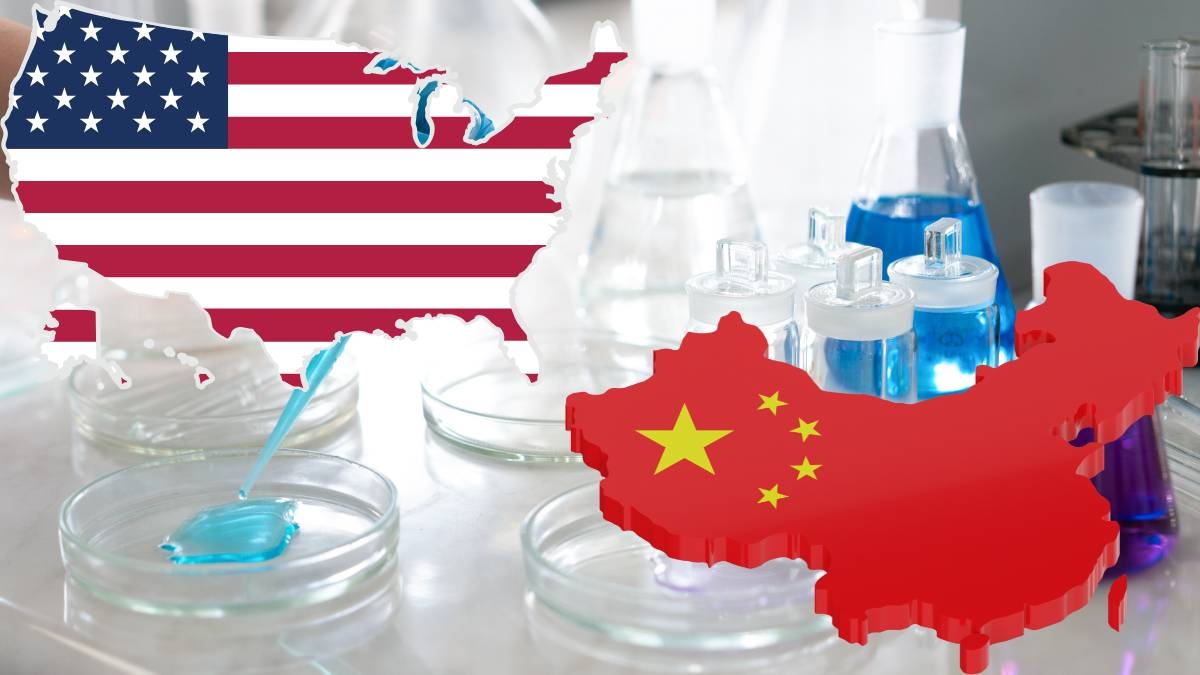
Pharmaceutical innovation has established itself as one of the main areas of strategic competition between the United States and China, in a context where biomedical research and drug development are intertwined with economic, political and technological interests. Recent studies published in high-impact journals such as JAMA suggest that this rivalry not only drives scientific progress, but is also redefining the rules of the global healthcare system.
Academic analysis shows that the pharmaceutical industry has experienced exponential growth in recent decades, reaching economic dimensions comparable to the GDP of developed countries. This boom has been driven, to a large extent, by intensive investment in research and development (R&D), as well as by the ability to transform scientific discoveries into marketable treatments on a large scale.
In this context, the United States has historically maintained its leadership thanks to a robust ecosystem that combines universities, private capital and major pharmaceutical companies. China, for its part, has accelerated its rise through aggressive public policies, state investment and growing capabilities in biotechnology and manufacturing.
The United States has historically maintained its leadership thanks to a robust ecosystem combining universities, private capital and large pharmaceutical companies
The COVID-19 pandemic clearly highlighted this competition. The race for vaccines became a prime example of how pharmaceutical innovation is shaped by geopolitical factors. According to the scientific literature, knowledge production, regulation and political decisions directly influenced the speed and direction of biomedical developments.
Furthermore, the concept of pharmaceutical innovation has evolved towards more complex models that include not only new drugs but also disruptive technologies such as personalised medicine or gene editing. These innovations, whilst promising, also pose challenges in terms of access, price and health equity.
Part of the sector’s growth is due to business strategies that prioritise profitability
Another key factor is the tension between economic profit and public health. Various studies warn that, despite the progress made, part of the sector’s growth stems from commercial strategies that prioritise profitability, which may limit research into less lucrative diseases.
In this context, the rivalry between the United States and China not only determines who leads pharmaceutical innovation, but also what types of medicines are developed, who has access to them, and under what conditions. The evolution of this competition will ultimately shape the future of global health and the balance between science, the market and health policy.

 ES
ES
 EN
EN